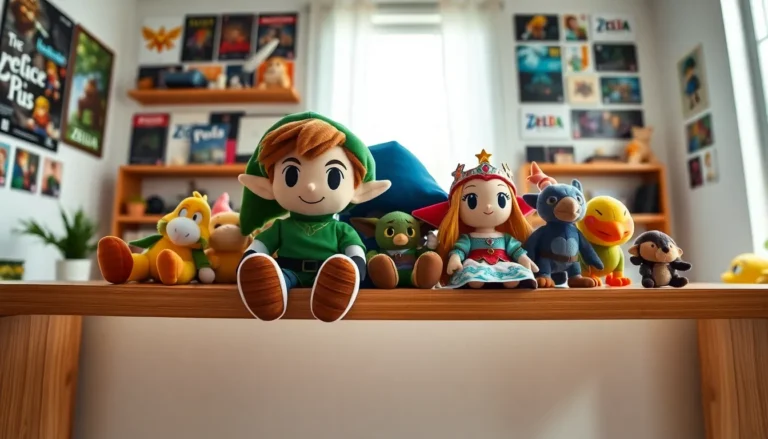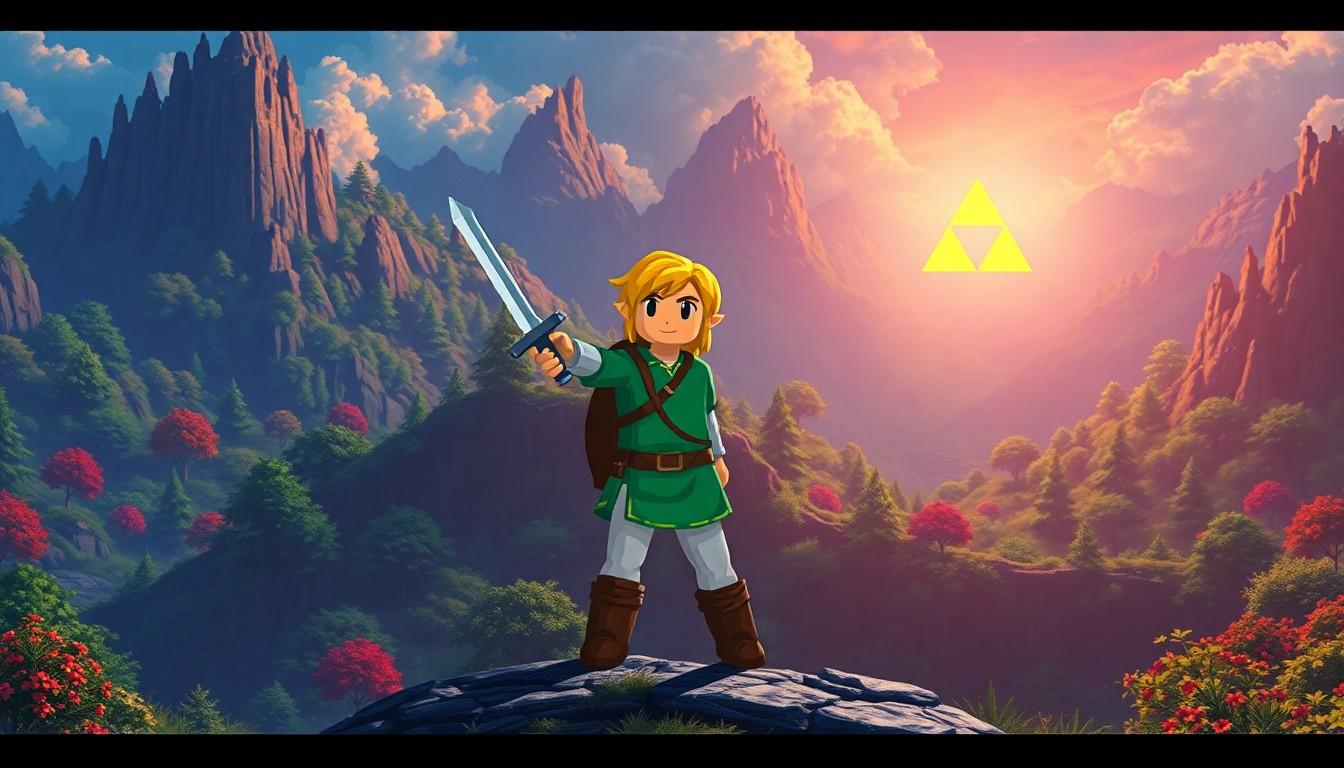
In a world where gaming has evolved into dazzling graphics and hyper-realistic worlds, it’s easy to forget the humble beginnings of epic adventures. Enter The Legend of Zelda, the original gem that kicked off a franchise beloved by millions. Picture this: a pixelated hero in a green tunic, armed with nothing but a sword, a shield, and an insatiable curiosity. He’s on a quest to rescue Princess Zelda and defeat the evil Ganon. Sounds like a classic fairy tale, right? Well, it is, but with a twist of puzzles, dungeons, and a sprinkle of magic.
This game didn’t just redefine the action-adventure genre; it created a blueprint for future titles. With its captivating gameplay and innovative design, Zelda has enchanted players for decades. So grab your controller and prepare for a nostalgic journey through Hyrule, where every corner hides a secret and every adventure is a chance to save the day.
Overview of the Original Zelda Game
“The Legend of Zelda” debuted on February 21, 1986, in Japan and quickly captured the attention of gamers. Players control Link, a courageous protagonist tasked with rescuing Princess Zelda and confronting the antagonist, Ganon. The setup introduces a rich narrative filled with exploration and questing, providing players with a sense of purpose and adventure.
Gameplay emphasizes exploration and puzzle-solving, which distinguishes it from other titles of its era. Players must navigate the expansive world of Hyrule, uncover hidden dungeons, and gather crucial items. Discoveries include weapons, tools, and magical artifacts that assist in overcoming obstacles and enemies. The freedom to explore different regions encourages creativity in problem-solving.
Graphics utilize a top-down perspective, showcasing a colorful pixel art style. This aesthetic allowed for imaginative world-building, offering diverse environments such as forests, mountains, and caves. Each area presents unique challenges, enhancing engagement and replayability.
Sound design features a memorable score, composed by Koji Kondo, which complements the emotional tone of the game. Iconic melodies enhance the gameplay experience, making each dungeon and adventure more memorable.
“The Legend of Zelda” laid the groundwork for the action-adventure genre, influencing countless titles that followed. Its innovative design elements established benchmarks for storytelling and gameplay in video games. By merging insightful puzzles with an open-world concept, it set a new standard that continues to resonate in modern gaming.
Gameplay Mechanics
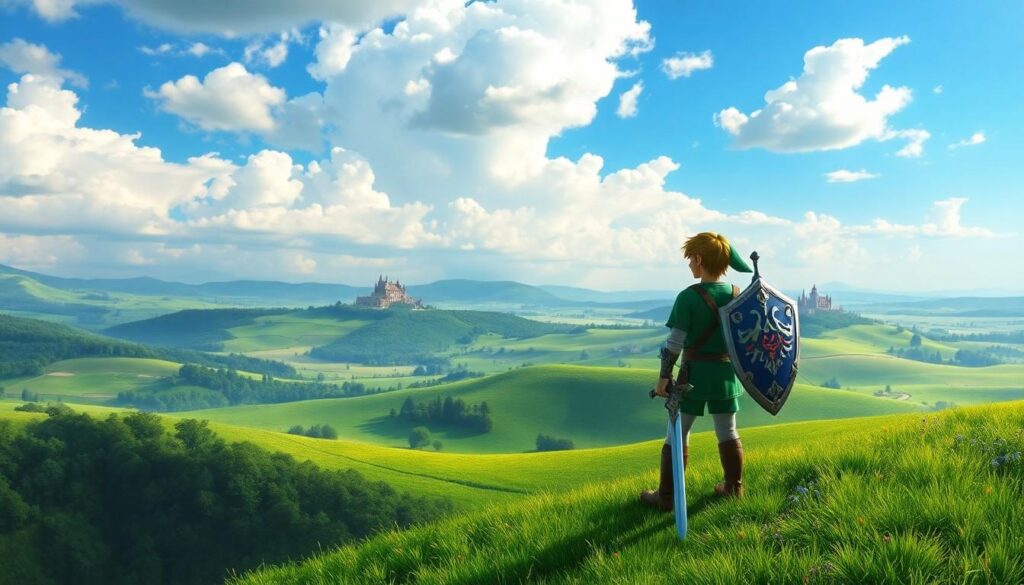
Gameplay in “The Legend of Zelda” combines exploration and challenge, inviting players into an intricate world. The mechanics intricately weave together elements of adventure and critical thinking, creating an engaging experience.
Exploration and Adventure
Exploration thrives in the vast landscapes of Hyrule. Players can traverse diverse terrains, uncovering secrets in richly designed dungeons. Collecting items like bombs, keys, and potions enhances gameplay, providing new methods for overcoming obstacles. Players encounter puzzles requiring creative solutions, showcasing their skills in navigation and problem-solving. The freedom to approach tasks in various ways encourages players to experiment, making each journey unique.
Combat System
Combat mechanics prioritize strategy and timing. Players utilize an array of weapons, including swords and bows, to defeat various enemies. Different types of adversaries demand specific tactics, fostering a dynamic battling experience. Iconic foes like Ganon and Moblins require players to learn attack patterns for effective countermeasures. Collecting power-ups such as health restores and upgrades sustains the challenge, maintaining player engagement throughout the game.
Graphics and Design
The original “The Legend of Zelda” features distinct graphics and design elements that defined its era.
Art Style and Visuals
Pixel art serves as the foundation for the game’s aesthetic, providing a vibrant and immersive landscape. Players navigate a variety of environments, from lush forests to dark dungeons, each represented with unique color palettes and designs. The top-down perspective allows a wider view, enhancing the sense of exploration. Characters, including Link and Ganon, possess memorable designs that contribute to the game’s charm. Influenced by the limitations of 8-bit technology, the artwork remains iconic, reflecting creativity amidst constraints. This blend of simplicity and detail resonates, appealing to players and inspiring future titles in the genre.
Sound and Music
Koji Kondo’s score significantly elevates the gameplay experience, embedding memorable melodies into players’ minds. The soundtrack enhances emotional engagement, with themes that reflect the game’s various settings and moods. Sounds accompany key actions, such as item collection and combat, providing audio feedback that enriches interactions. Each musical piece connects players to their adventures, becoming synonymous with Hyrule itself. Dialogue is minimal, allowing the dynamic soundscape to convey the narrative. Nostalgic tunes evoke memories, underscoring the lasting impact of its sound design on gaming culture.
Impact on Gaming Industry
“The Legend of Zelda” significantly shaped the gaming industry, influencing game design and storytelling for years to come. Its innovative mechanics and open-world exploration paved the way for future titles.
Influence on Future Zelda Titles
Future Zelda titles owe much to the original game’s design. Implementations of open-world concepts emerged in sequels, enhancing player freedom and creativity. Features like puzzle-solving and item collection became staples. Each new installment builds on the groundwork established by the initial game, expanding Hyrule with richer narratives and environments. Additionally, gameplay mechanics evolved, incorporating smoother combat systems and intricate dungeons. The series has embraced innovation while remaining true to its roots, ensuring fans enjoy both nostalgia and fresh experiences.
Legacy in Video Game Culture
The legacy of “The Legend of Zelda” extends beyond just its mechanics. It established a template for action-adventure games that many developers emulate today. Iconic characters like Link and Zelda remain cultural touchstones, representing bravery and adventure. The engaging gameplay and immersive storytelling resonate with players of all ages. Many games reference or pay homage to Zelda’s rich lore, showcasing its enduring impact. Events such as speedrunning competitions highlight the game’s vast challenges and community engagement. The franchise continues to inspire new generations, reinforcing its place in gaming history.
Conclusion
The original “Legend of Zelda” remains a cornerstone of gaming history. Its innovative gameplay and captivating storytelling have set a high bar for action-adventure titles. Players continue to explore the vast world of Hyrule, uncovering secrets and engaging in strategic battles.
The game’s influence is undeniable, shaping the landscape of future games and inspiring countless developers. Characters like Link and Zelda have become iconic symbols of adventure and bravery. As new generations discover this classic, the legacy of “The Legend of Zelda” endures, ensuring its place in the hearts of gamers everywhere.